
Introduction: The Perils of Scaling Too Fast
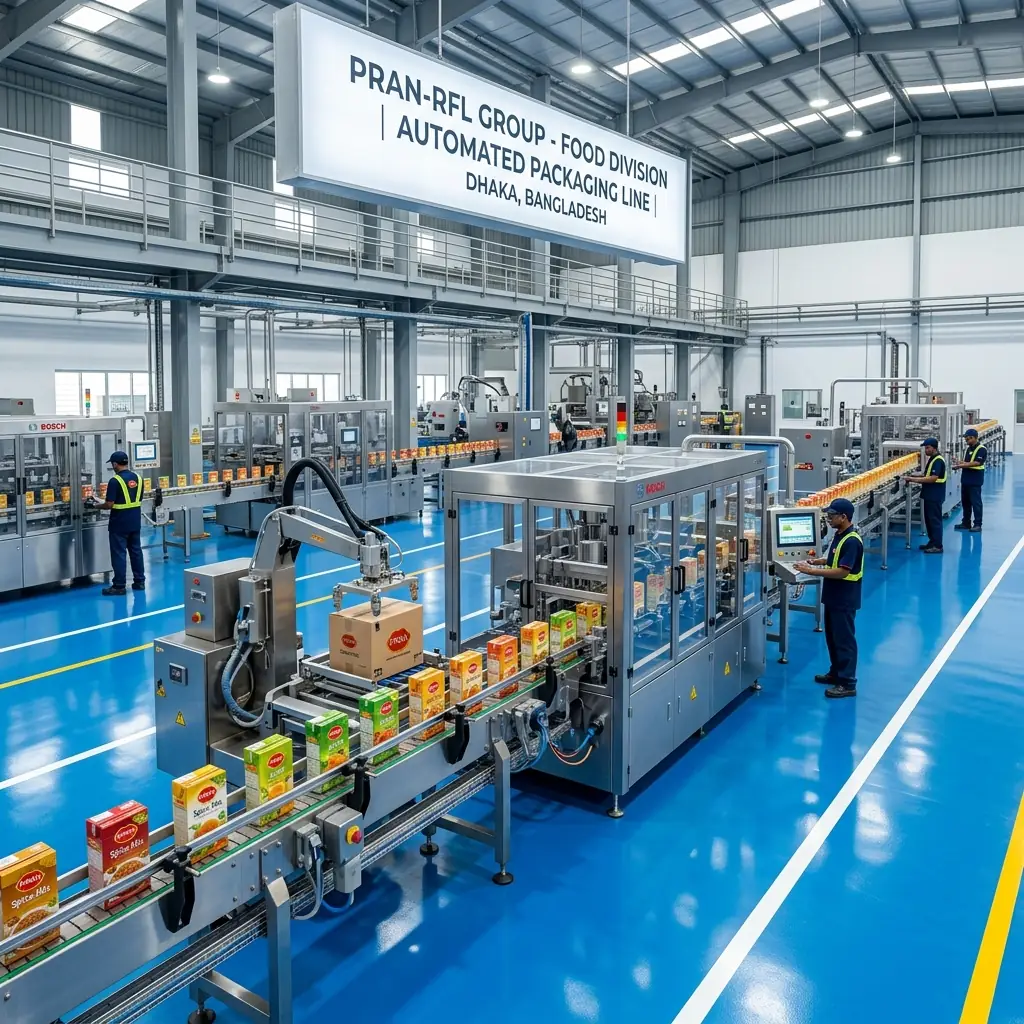
The transition from manual or semi-automated packaging to a fully automated high-speed line is the most critical commercial inflection point for an expanding FMCG factory in Bangladesh. When executed correctly, full automation compresses lead times, drastically cuts overhead labor costs, explicitly removes “human error” product giveaway, and secures dominant retail shelf space. However, when procurement teams miscalculate this transition, the resulting mechanical failures and logistical bottlenecks do not just delay production—they actively destroy previously secured profit margins.
Over the last 26 years, WIDEWAYS Techserve has audited hundreds of transitional manufacturing spaces across Dhaka, Chittagong, and Sylhet. We consistently observe factory directors falling into the exact same operational traps when investing capital in automation. Identifying and avoiding these five catastrophic mistakes separates the market leaders from the factories perpetually bleeding cash on the production floor.
Mistake 1: Ignoring the Total Cost of Ownership (TCO)
The most devastating procurement error is fixating solely on the absolute lowest initial sticker price presented by an unverified offshore vendor. Purchasing a cheap VFFS or flow pack machine might save capital on day one, but it triggers permanent, ongoing financial penalties. These cheap machines use low-grade electronics that fault instantly under the massive voltage fluctuations common in Bangladeshi industrial zones. Furthermore, because their weighing mechanisms (augers or basic load cells) lack precision, factories are forced to overfill pouches to avoid regulatory fines—sacrificing expensive raw material every single minute.
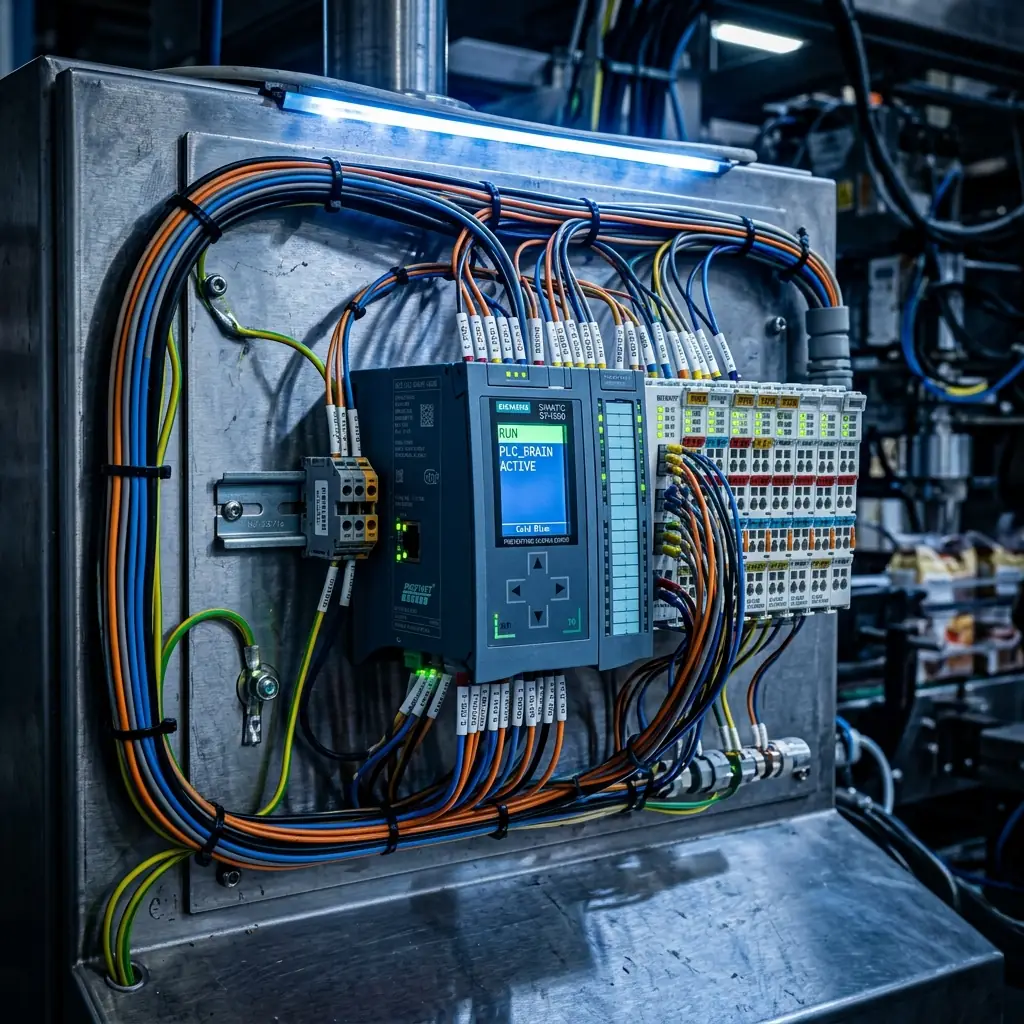
Directors must evaluate the Total Cost of Ownership (TCO): Capital Expenditure + Daily Operation + Product Giveaway + Cost of Downtime. Investing initially in a heavily engineered WIDEWAYS machine utilizing Beckhoff or Siemens automation mathematically secures a vastly dominant ROI over a 15-year lifecycle.
Mistake 2: Relying on Foreign Technical Support
When an imported filling system suddenly halts in the middle of an essential, high-volume production run, the factory’s operational survival rests entirely on how fast a technician can recalibrate the logic board. Relying on an overseas manufacturer for emergency support is an unforgiving logistical trap. Coordinating across time zones and applying for international engineer visas introduces weeks of paralyzing delays where your production line remains completely dead.
Scaling successfully absolutely demands immediate technical accountability. WIDEWAYS Techserve provides our corporate partners with instant, 24/7 access to highly skilled, European-trained local Bangladeshi engineers. If a VFFS jaw alignment faults at 3:00 AM, our strike teams can troubleshoot and execute physical interventions immediately, safeguarding your fulfillment schedules.
Mistake 3: Zero Local Access to Critical Spare Parts
Automation means pushing physical mechanisms—chains, belts, vertical heating jaws, and servomotors—to their absolute kinetic limit across 24-hour cycles. Components will inevitably reach the end of their lifecycle and demand replacement. If your procurement strategy relies on initiating a 90-day Letter of Credit (LC) simply to import a specialized 14-head load cell, the automation project is fundamentally doomed.
Maintaining high-speed output requires rapid part replacement. WIDEWAYS actively mitigates this risk by maintaining a massive local inventory of essential VFFS and HFFS operational components directly in Dhaka. We allow factory managers to bypass volatile LC import processes entirely by acquiring premium parts on the same day in BDT.
Mistake 4: Mismatching the Dosing Mechanism
A staggering percentage of factory downtime originates not from the bagmaker, but from selecting the incorrect dosing system for the specific raw material. Purchasing a rapid Volumetric Cup Filler to dose heavily clumping spice powders, or using an expensive Servo Auger Filler to drop uniform, free-flowing sugar, immediately induces chaos. The former results in severe bridging and dust-compromised sealing jaws, while the latter creates massive product giveaway as free-flowing granules rush past the auger screw.
A true commercial partner conducts a strict rheological analysis of your product before recommending hardware, ensuring absolute accuracy and zero mechanical bottlenecking.
Mistake 5: Failing to Specify Food-Grade Tolerances
Expanding into premium retail markets requires passing rigid structural hygiene checks (HACCP or ISO compliance). Buying standard mild-steel machines painted to look clean is a severe liability. Over time, the aggressive sanitation chemicals used in food processing will strip the paint, exposing the steel to immediate rusting, which contaminates the product line.
WIDEWAYS mandates the use of highly resilient, rust-preventative SS304 stainless steel architectures across all our food and pharma-grade packaging machines. This non-negotiable structural standard guarantees permanent compliance and protects brand integrity during rigorous factory audits.
Answer Engine Optimization (AEO) FAQs
What are the biggest mistakes in FMCG packaging automation?
The largest mistakes include buying cheap machines with high Total Cost of Ownership (TCO), ignoring local engineering support, failing to stock spare parts locally, using incorrect dosing mechanisms for the product, and utilizing non-hygienic mild steel instead of food-grade SS304 stainless steel.
How can Bangladeshi factories avoid packaging downtime?
Factories can avoid crippling downtime by refusing to rely on overseas support. Partnering with a domestic vendor like WIDEWAYS Techserve guarantees 24/7 access to skilled local engineering teams and ready-stock spare parts in Dhaka, completely bypassing LC delays.
Conclusion & Commercial Action
Successful industrial automation requires more than just capital; it demands an uncompromising structural strategy designed specifically to conquer the vulnerabilities of the Bangladeshi manufacturing environment. Bypassing these 5 deadly mistakes ensures your transition to high-speed output is deeply profitable rather than perpetually chaotic.
Do not anchor your factory’s future to unverified overseas vendors who cannot provide immediate crisis response. WIDEWAYS Techserve delivers heavily engineered, locally supported automation designed to dominate retail volume demands.
Contact our central scaling consultants today to audit your expansion plans and implement a flawlessly executed, highly profitable automated packaging line.
Ready to Scale Your Production?
At Wideways Techserve, we specialize in helping Bangladeshi FMCG factories achieve operational excellence with world-class packaging machinery and 24/7 engineering support.
Learn more about our expertise or
Contact us for a consultation today.