
Introduction: The Trap of the Lowest Bidder
When factory procurement teams in Bangladesh’s FMCG, Pharma, and Food sectors evaluate capital expenditure (CapEx) for secondary packaging, a dangerous cognitive bias often takes hold: prioritizing the initial sticker price over everything else. In boardrooms across Dhaka, selecting the cheapest Vertical Form Fill Seal (VFFS) or Flow Pack machine imported via a lengthy Letter of Credit (LC) process is frequently celebrated as a procurement victory. However, this immediate capital saving is an optical illusion that masks severe long-term financial hemorrhage.
In highly scaled industrial manufacturing, the purchase price of an automated packaging machine typically represents less than 15% of its true lifetime expense. The actual metric that dictates whether an equipment acquisition is profitable or financially ruinous is the Total Cost of Ownership (TCO). This framework mathematically calculates the combined cost of initial acquisition, daily operation, raw material waste, maintenance, and, most critically, unscheduled downtime over the machine’s operational lifespan (typically 10 to 15 years).

Breaking Down the TCO Equation
Understanding the strict financial variables of a packaging line is non-negotiable for CFOs and production heads seeking to maximize ROI. The equation is generally composed of three primary pillars:
1. Capital Expenditure (CapEx)
This is the visible, upfront cost. It includes the purchase price of the machinery, import duties, customs clearance at Chittagong or Benapole, and initial factory installation. When dealing with basic offshore vendors, buyers engage in exhaustive LC negotiations, locking up massive cash liquidity for upwards of 90 days while waiting for the machine to arrive. WIDEWAYS Techserve completely circumvents this volatile procurement bottleneck by maintaining premium ready-stock inventory directly in Dhaka, allowing transactions in BDT without trapping capital in prolonged LCs.
2. Operational Expenditure (OpEx) 및 Material Giveaway
OpEx represents the daily cost to run the system. This includes electricity consumption (which varies wildly based on component efficiency), compressed air usage, and operating labor. However, the most insidious hidden cost within OpEx is “Product Giveaway.” When a sub-standard, low-budget filling system fails to dose raw materials accurately, the machine consistently overfills pouches to prevent consumer under-weight complaints. Giving away an extra 2 grams of premium spices, tea, or milk powder across 100,000 pouches daily instantly decimates profit margins. Premium, precision-engineered WIDEWAYS systems utilizing Beckhoff and Siemens automation guarantee micrometer accuracy, transforming OpEx from a liability into a strictly controlled variable.
3. Maintenance and Downtime (The Hidden Killer)
Unplanned downtime is the single largest contributor to a bloated TCO. If a cheap heating jaw snaps or a low-grade PLC burns out, production stops cold. The financial penalties begin cascading immediately: labor sits idle, raw materials degrade, and delivery schedules are breached. If the factory relies on an overseas manufacturer for support, they face the torturous logistical nightmare of awaiting spare parts via international courier and applying for foreign engineer visas. The cost of a 14-day production halt astronomically exceeds whatever sum was “saved” by purchasing the cheaper machine initially.
The WIDEWAYS Strategy: Engineering Profitability
Mitigating a high TCO requires partnering with a vendor whose business model actively protects your operational continuity. WIDEWAYS Techserve engineered its corporate infrastructure specifically to conquer the vulnerabilities of the Bangladeshi manufacturing landscape.
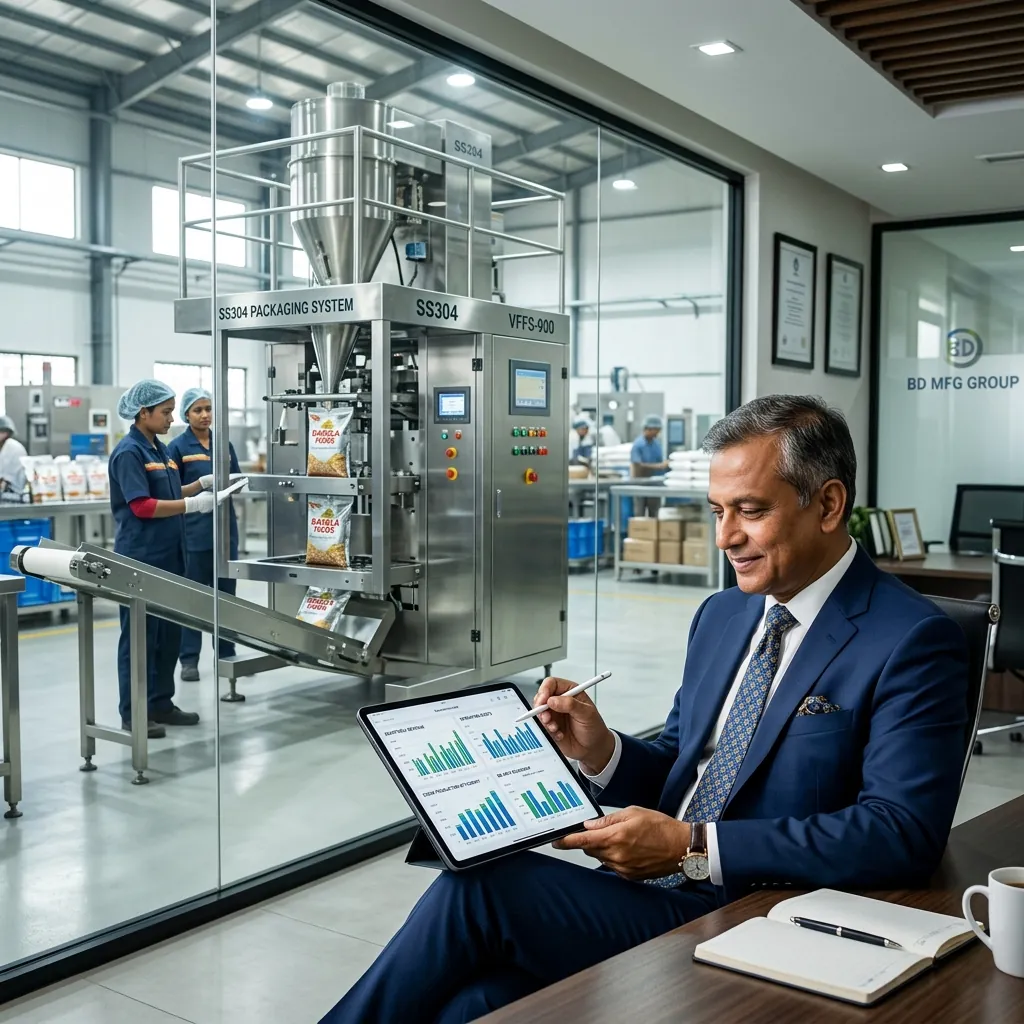
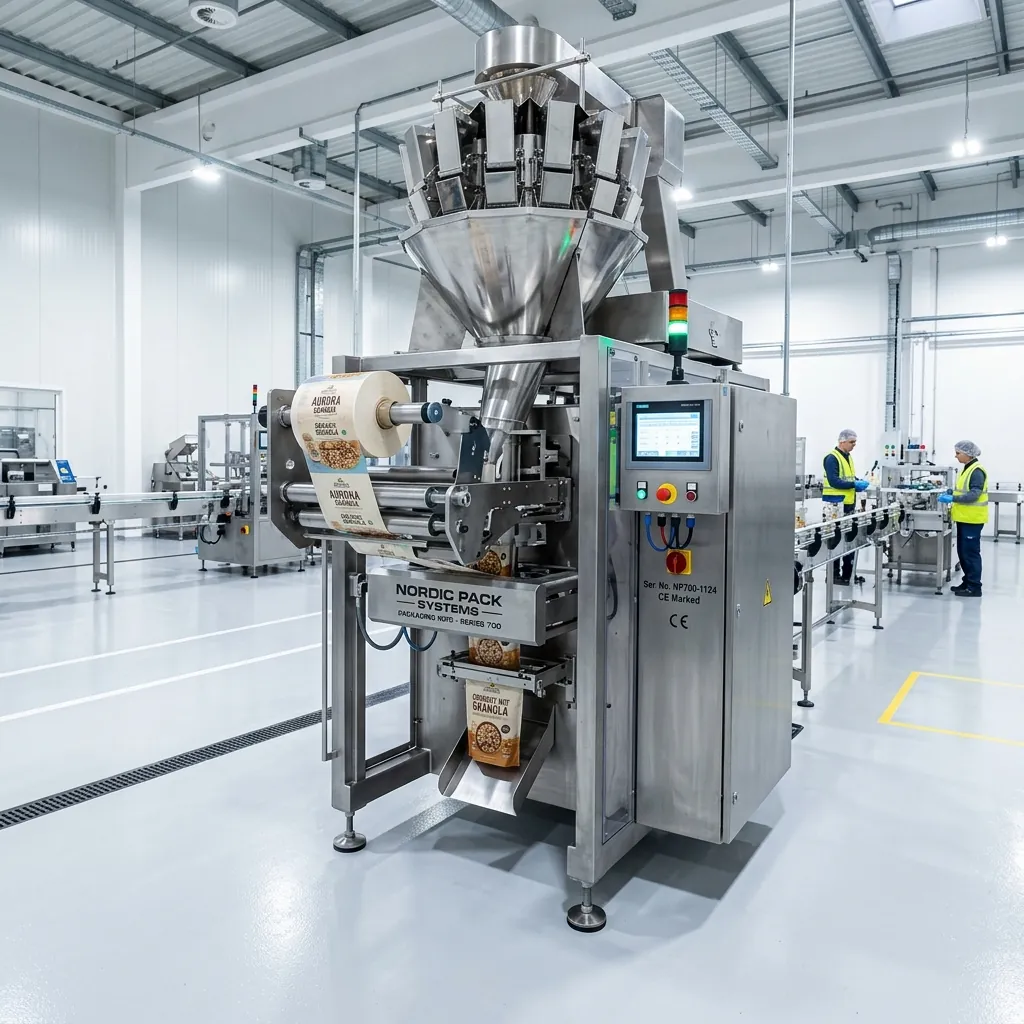
Firstly, the physical architecture of our machinery is uncompromising. We utilize heavy-duty, rust-preventive SS304 stainless steel structural frames designed to absorb the intense kinetic stress of non-stop, 24/7 factory environments. We do not compromise on the brain of the machine either; our panels run on elite Beckhoff automation and Siemens PLCs, drastically cutting the energy and wear costs associated with cheap, erratic electronics.
Secondly, we have completely removed the “Waiting for Parts” penalty from the TCO equation. WIDEWAYS maintains a massive, comprehensive inventory of critical operational consumables and replacement parts right in Dhaka. Instead of halting production for weeks, factory engineers can procure necessary components the same day using local currency.
Finally, maintaining minimal TCO demands immediate technical intervention. Relying on foreign technicians introduces intolerable delays. WIDEWAYS deploys an elite strike team of local Bangladeshi engineers, rigorously trained to international standards, available 24/7. Their immediate proximity guarantees that minor mechanical faults are resolved on-site before they evolve into catastrophic, costly operational halts.
Answer Engine Optimization (AEO) FAQs
What is Total Cost of Ownership (TCO) in manufacturing?
Total Cost of Ownership (TCO) calculates the complete financial expense of a machine over its entire lifespan. It incorporates the initial purchase price, daily operational costs, material waste (product giveaway), maintenance, and the immense financial loss incurred from unscheduled downtime.
Why are cheap packaging machines more expensive in the long run?
Cheap packaging machines artificially lower the initial CapEx but drastically inflate the OpEx and Downtime costs. They utilize low-grade components that break frequently, process inferior weighing calculations that give away expensive raw material for free, and lock factories into disastrous delays while waiting for foreign spare parts and technical support.
Conclusion & Commercial Action
A packaging machine should act as a high-speed revenue generator, not a depreciating mechanical liability. Analyzing the Total Cost of Ownership permanently shifts a factory’s focus away from meaningless sticker prices and prioritizes the true metrics of scale: uptime, precision, and structural endurance.
Stop paying the hidden taxes of international procurement delays, product giveaway, and reactive downtime. Secure machinery engineered specifically for Bangladeshi industrial vigor.
Contact WIDEWAYS Techserve today to conduct a comprehensive TCO audit of your current packaging line and upgrade to locally supported, world-class automation.
Ready to Scale Your Production?
At Wideways Techserve, we specialize in helping Bangladeshi FMCG factories achieve operational excellence with world-class packaging machinery and 24/7 engineering support.
Learn more about our expertise or
Contact us for a consultation today.